


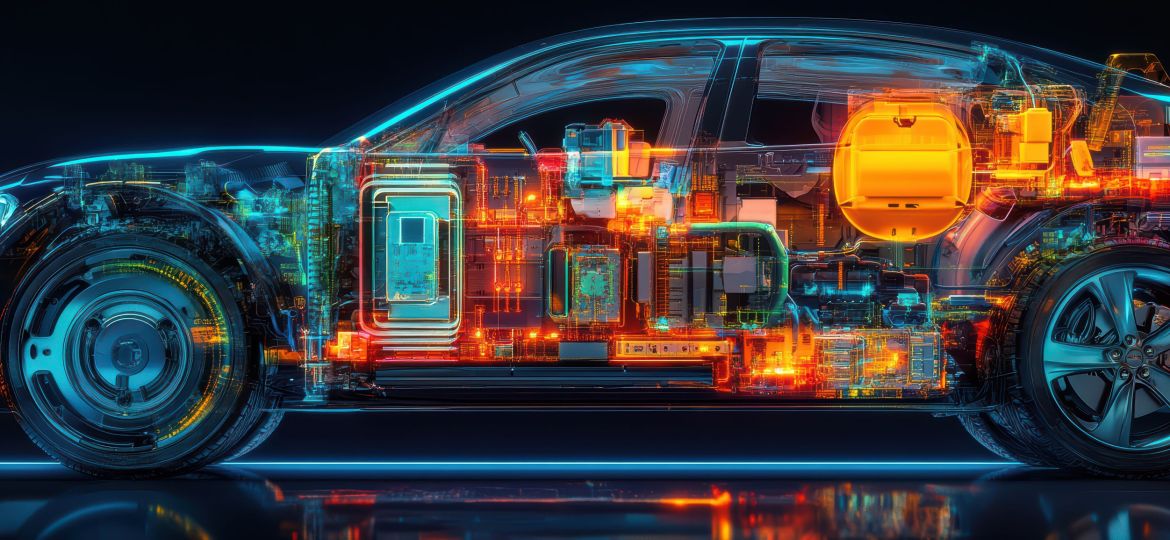
Hyundai and Kia are pushing the boundaries of climate control technology with three innovative solutions aimed at making vehicle cabins more energy-efficient. These advancements promise not only to extend the range of electric vehicles (EVs) by reducing energy consumption but also to enhance the overall efficiency of gas-powered cars.
During a recent technology showcase in South Korea, Hyundai and Kia unveiled cutting-edge temperature control systems designed to optimize cabin comfort while minimizing energy use. One of the key innovations is an advanced radiant heating system that directs warm air precisely where it’s needed—toward passengers’ legs. Unlike traditional heating methods that warm the entire cabin, this targeted approach allows for faster heating, achieving a comfortable lower-body temperature within just three minutes. Hyundai claims this system requires significantly less energy, which could help improve the range of EVs while still ensuring a cozy ride in colder conditions.
To ensure safety, Hyundai has integrated a burn-prevention system that automatically reduces heat levels if it detects body contact. In their demonstration, nine radiant heat panels were installed in a Kia EV9, covering areas such as the steering column base, door panels, center console, and glovebox. The system is capable of reaching 230 degrees Fahrenheit but adjusts dynamically to maintain safe and efficient heating.
The second breakthrough technology introduced was heated glass powered by a 48-volt electrical system. Unlike conventional defrosting methods, which rely on traditional climate control systems, this innovation can completely clear frost and ice from vehicle windows in just five minutes—even at temperatures as low as -0.4 degrees Fahrenheit. Hyundai states that this method is up to four times faster than standard defrosting techniques while consuming approximately 10% less energy. Additionally, the embedded metal coating used for heat transmission serves a dual purpose: it blocks solar rays, helping to keep the cabin cooler on hot days, further improving overall energy efficiency.
Hyundai and Kia also reintroduced their smart window-tinting technology, which they had previously showcased in 2023. Unlike conventional tints, which can be restricted by regulations in some regions, this special film is designed to both prevent excessive heat from entering the vehicle and allow built-up heat to escape, providing a natural cooling effect. Hyundai’s testing —where traditional window tinting is banned—showed a remarkable temperature reduction of 54.5 degrees Fahrenheit inside the vehicle.
These innovations reflect Hyundai and Kia’s ongoing commitment to pushing the limits of automotive climate control technology. By integrating intelligent heating and cooling solutions, they aim to not only improve passenger comfort but also contribute to greater energy efficiency, particularly in EVs. As the industry moves toward a more sustainable future, advancements like these could play a crucial role in optimizing vehicle performance while reducing environmental impact.